


Nothing is more true, especially for Italians.
Who hasn’t experienced at least once in his life the joy of eating a nice plate of pasta when returning to Italy after a holiday abroad? Because sushi may be good, but how about carbonara?
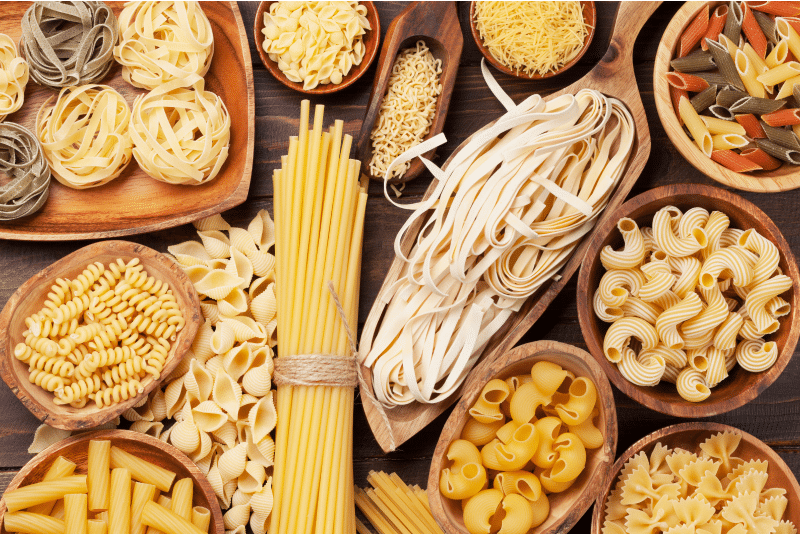
On average, an Italian adult consumes 23 kg of pasta in a year. Italians eat pasta 5 times a week and it is the favorite food of 1 out of 2 Italians. What would Italy be without pasta? It would be like taking away rice from the Chinese or potatoes from the Germans.
And yet, have you ever wondered where and how the pasta you buy is produced? Our palate doesn’t notice it, but in the long run our body realizes what we eat and if the pasta we ate was grown without using chemicals or not.
Organic Pasta is a result of organic farming which does not allow the indiscriminate use of chemical products and inorganic materials such as fertilizers, pesticides, fungicides and antiparasitic.
The most immediate benefits are rebalance of the metabolism and improvement of the immune system. Consuming Organic Pasta is a healthy habit that helps our body to take nourishment from natural sources. Organic Wholemeal Pasta offers many advantages: the presence of minerals and vitamins, the facilitation of the intestinal process and the intake of fewer calories than normal pasta. Nowadays many mothers also choose Organic Pasta for their kids, a healthy lifestyle and a genuine diet to help the little ones grow.
Do you remember those ads where pasta was the symbol of love, warmth, and family? Pasta tastes like comfort; it's part of our tradition. We couldn't live without it, so let's try to choose the best pasta for our bodies: Organic Pasta for a healthier life.
Alba Prattichizzo